Abstract:
Pakistan, a developing country in South Asia, is grappling with a plethora of social and economic problems, with poverty being one of the most significant ones. Poverty is a multi-dimensional phenomenon that affects various aspects of human life, including health, education, and social mobility. This research-based journal aims to explore poverty as a cause of evil in Pakistan, discussing its origins, impact, and potential solutions.
Introduction:
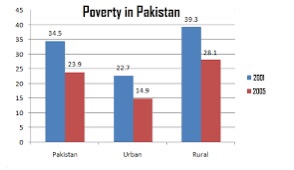
Pakistan has a poverty rate of around 24.3%, according to a World Bank report. This means that nearly one-fourth of the population in the country is living below the poverty line. Poverty is a complex issue that is intertwined with several other social and economic problems, including inequality, corruption, and political instability. Poverty has a ripple effect on society, impacting not only the individuals and families living in poverty but also the overall economic growth and development of the country.
Origins of Poverty in Pakistan:
Poverty in Pakistan has its roots in several factors, including a lack of access to education, healthcare, and other basic amenities. The country has a low literacy rate, with only 60% of the population being able to read and write. This lack of education often leads to limited employment opportunities and perpetuates the cycle of poverty. Additionally, corruption and political instability have resulted in a lack of investment in social welfare programs and infrastructure, leading to a lack of basic amenities such as clean water and electricity.
Impact of Poverty on Society:
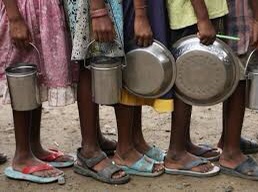
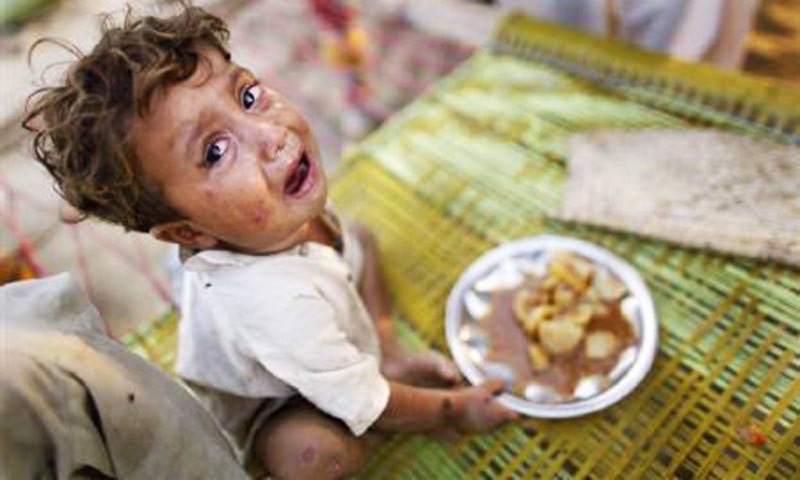
The impact of poverty on society is far-reaching, affecting not only the individuals and families living in poverty but also the overall economic development of the country. Poverty leads to malnutrition, poor health, and limited access to education, which in turn leads to low productivity and limited economic growth. Furthermore, poverty exacerbates inequality, leading to social unrest and political instability.
Potential Solutions:
Several potential solutions can be implemented to address poverty in Pakistan, including investment in education and healthcare, the creation of employment opportunities, and the provision of basic amenities such as clean water and electricity. Additionally, social welfare programs and poverty reduction schemes can be implemented to support those living in poverty and provide them with the resources necessary to break the cycle of poverty.
Conclusion:
In conclusion, poverty is a significant social and economic problem in Pakistan, with far-reaching consequences for society. Poverty has its roots in several factors, including a lack of education and access to basic amenities, and exacerbates inequality and political instability. To address poverty in Pakistan, investment in education and healthcare, the creation of employment opportunities, and the provision of basic amenities are necessary. Furthermore, social welfare programs and poverty reduction schemes can support those living in poverty and provide them with the resources necessary to break the cycle of poverty
 The Politics