Introduction:
Pakistan is highly vulnerable to climate change due to its geography, dependence on agriculture, and water scarcity. The country has already experienced significant impacts of climate change, including more frequent and intense heatwaves, droughts, floods, and erratic monsoon patterns. These changes have had severe implications for agriculture and food security, with millions of people at risk of food insecurity and malnutrition. This article explores the impact of climate change on agriculture and food security in Pakistan, and the challenges and opportunities for adaptation and mitigation.
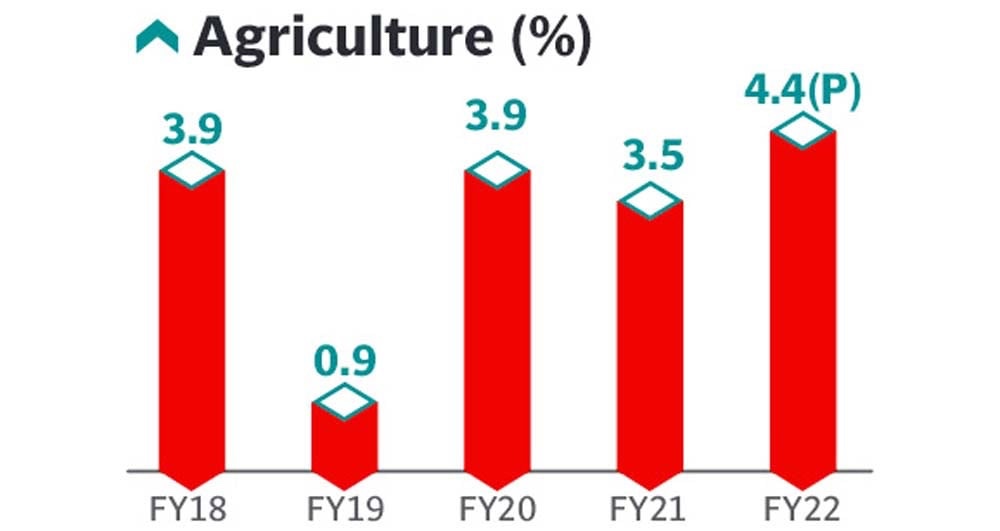
Impacts of Climate Change on Agriculture:
Agriculture is the backbone of Pakistan’s economy, providing employment to millions of people and contributing to food security. However, climate change is threatening the sustainability and productivity of agriculture in several ways. First, higher temperatures and changes in rainfall patterns are affecting crop yields and quality. For example, the wheat crop is highly sensitive to temperature and moisture stress, and studies have shown that yields could decline by up to 30% by 2050 due to climate change (Ashfaq et al., 2017). Second, extreme weather events such as floods and droughts are becoming more frequent, causing crop losses and soil erosion. Third, the melting of glaciers in the Himalayas is affecting the flow of water in the Indus River, which is the main source of irrigation for agriculture in Pakistan (IPCC, 2018). The reduced water availability is expected to worsen in the coming years, leading to water stress and food insecurity.
Impacts of Climate Change on Food Security:
Food security is a major concern in Pakistan, with high levels of malnutrition and poverty. Climate change is exacerbating these challenges by affecting the availability and affordability of food. The decline in crop yields and quality is leading to higher food prices, which are particularly harmful to vulnerable populations. Additionally, the impacts of climate change on water availability are affecting livestock and fisheries, which are important sources of protein for many people in Pakistan. The combination of these factors is increasing the risk of food insecurity and malnutrition, particularly in rural areas where agriculture is the main source of livelihood (FAO, 2020).
Adaptation and Mitigation Strategies:
To address the impacts of climate change on agriculture and food security, Pakistan needs to implement a range of adaptation and mitigation strategies. These strategies should focus on building the resilience of the agriculture sector to climate risks, while also reducing greenhouse gas emissions. Some of the key strategies include:
- Developing climate-smart agriculture practices, such as conservation agriculture, crop diversification, and improved water management, which can help to increase crop yields and reduce vulnerability to climate risks (FAO, 2017).
- Improving irrigation efficiency and promoting water conservation measures to ensure that water is used more efficiently in agriculture (Ashfaq et al., 2017).
- Promoting the use of renewable energy sources, such as solar and wind power, to reduce dependence on fossil fuels and lower greenhouse gas emissions (Khan et al., 2018).
- Improving the resilience of rural communities through the provision of social protection programs, such as cash transfers and food assistance, which can help to reduce the negative impacts of climate change on food security (FAO, 2020).
Conclusion:
Climate change is a major threat to agriculture and food security in Pakistan, with severe implications for millions of people. The impacts of climate change on crop yields, water availability, and livestock and fisheries are increasing the risk of food insecurity and malnutrition. However, there are also opportunities for adaptation and mitigation, such as promoting climate-smart agriculture practices, improving
 The Politics